


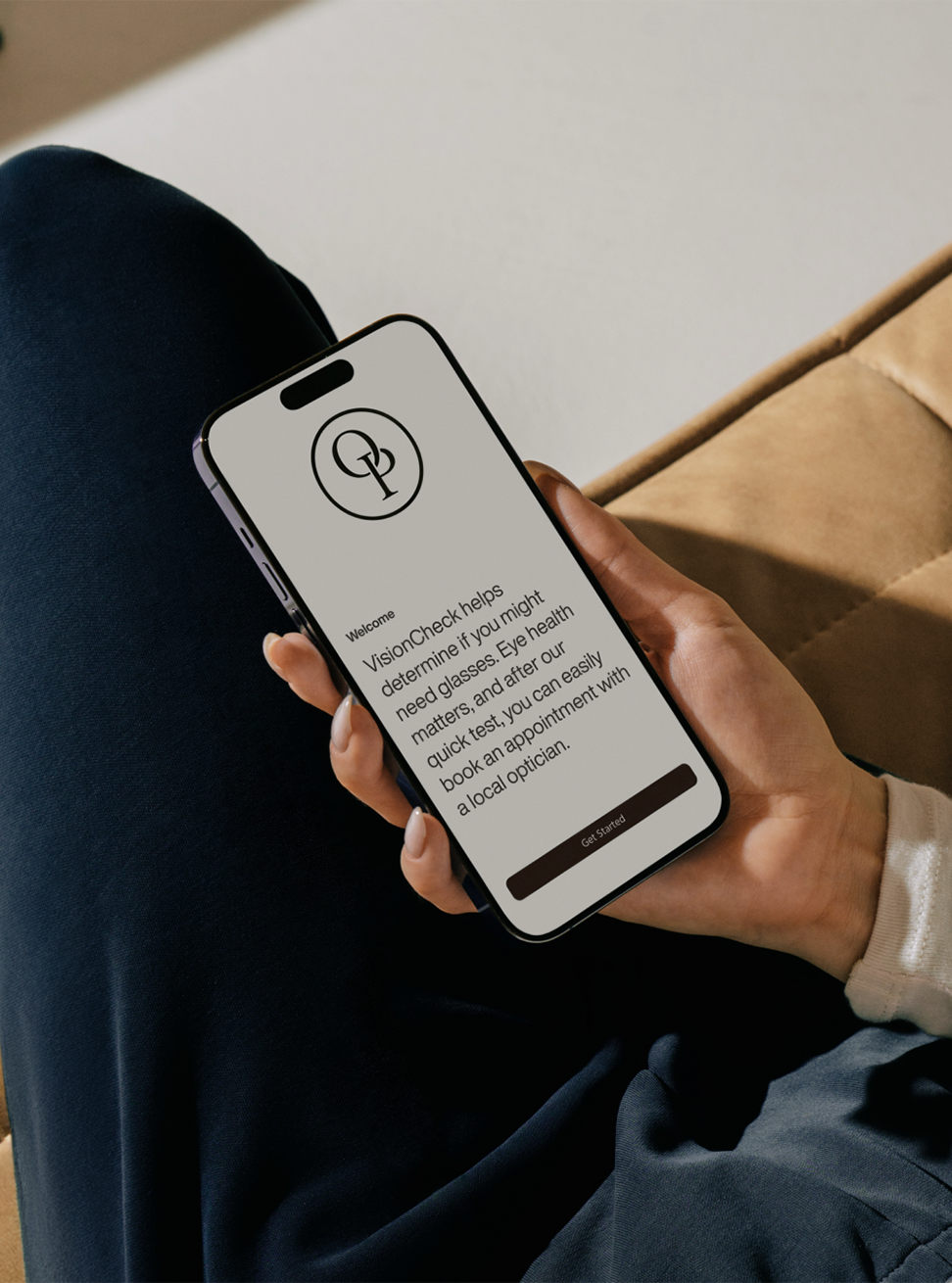
From Compliance to Competitive Advantage: a smarter approach to workforce vision
Under UK Health and Safety guidance, employers must provide eye tests to display screen equipment users upon request. The challenge is that many employees do not request a test because they assume they are fine. Proactive screening shifts organisations from reactive compliance to preventative insight.
The business case in real terms
- If 25 percent of a 2,000-person workforce is overdue for an eye test, that is 500 employees.
- If 10 percent of those have a meaningful prescription change affecting performance, that is 50 people operating below optimal visual clarity.
- If each loses 20 minutes per day, that equates to more than 66 hours of productivity leakage per week.
That is before factoring in safety incidents, driving risk, absence and presenteeism.
The cost of screening is measured in minutes. The cost of inaction is measured in systems.
Beyond productivity
Clear vision supports:
- Safer driving in fleet operations
- Reduced headaches and strain
- Improved confidence in meetings
- Lower presenteeism
- Stronger employee trust
It also aligns with ESG commitments under the Social pillar, demonstrating preventative health leadership.
A practical implementation model with VisiomCheck
Implementation can be simple:
- Introduce screening as part of safety or wellbeing initiatives
- Provide secure employee access
- Encourage those flagged to book a formal eye examination
- Review anonymised, aggregate data trends
No major operational change. No complex integration. Just preventative insight.
The strategic question is straightforward:
If vision underpins safety, productivity and wellbeing, and if a significant proportion of your workforce may be overdue for testing, can you afford not to check?
VisionCheck is a screening tool and does not replace a comprehensive eye examination conducted by a registered optometrist. Employees identified as potentially having refractive changes should be encouraged to seek a formal eye test.
